Text and photos: Filip Buff Pedersen
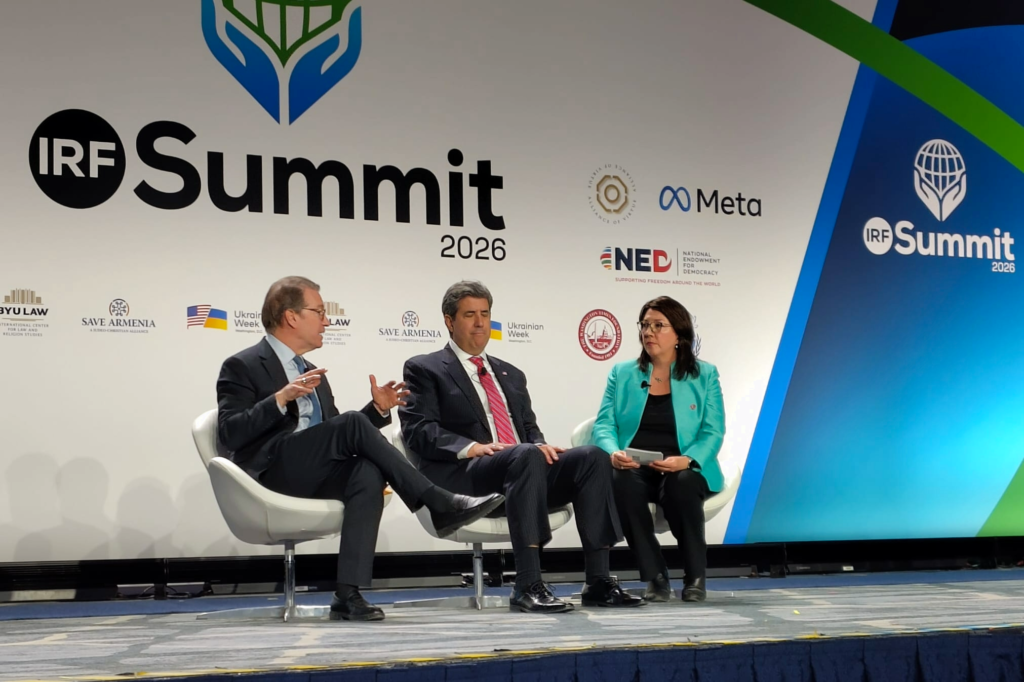
At the beginning of February, I participated in the International Religious Freedom Summit 2026 in Washington, D.C. – the year’s largest global gathering for actors working to protect the right to freedom of religion or belief. The summit brought together politicians, civil society, religious leaders, and experts from around the world, clearly showing that the IRF movement is both growing and becoming more strategic in its approach.
The Responsibility of Democracies and Global Security
Throughout the summit’s plenaries, it was repeatedly emphasized that democratic countries play a key role in promoting freedom of thought and belief. Panelists highlighted how fundamental freedoms are closely linked to global security, and how religious persecution is often an early indicator of conflict.
The discussions left no doubt: if efforts to protect freedom of religion or belief are to make a real difference for people around the world, they require coordination, political courage, and sustainable partnerships.
Refugees, Persecution, and Transnational Repression
Several sessions focused on people forced to flee because of their faith. Nazila Ghanea, the UN Special Rapporteur on freedom of religion or belief, and Nuri Kino, journalist and human rights activist, described the double vulnerability that persecuted minorities experience both in their home countries and in exile.
Testimonies from particularly vulnerable religious minorities made a strong impression and underlined the importance of international actors standing together against abuses – even when they extend beyond national borders.
Capitol Hill Advocacy Day
On the third day of the summit, the work moved into the heart of American democracy during the annual Capitol Hill Advocacy Day. Policymakers met with civil society groups and religious minorities to discuss concrete measures to protect freedom of religion or belief.
An open hearing in the U.S. House Committee on Foreign Affairs provided a platform for powerful personal stories – particularly from those who have experienced persecution firsthand.
Ukraine: Freedom of Religion Under Pressure
A significant part of this year’s summit focused on the situation in Ukraine, where the war continues to severely affect religious minorities. Panels documented persecution, unlawful detentions, destruction of religious buildings, and forced control in occupied areas.
In this context, CKU’s collaboration with UCCRO (All-Ukrainian Council of Churches and Religious Organizations) was highlighted as an important and concrete contribution to peace, resilience, and the documentation of abuses. Through the Pathways 2 Peace project, supported by the Danish Ministry of Foreign Affairs, AUCCRO and Danish partners work together on conflict‑mitigating dialogue and support for local communities in the midst of war.
IPPFoRB: Parliamentarians from Around the World
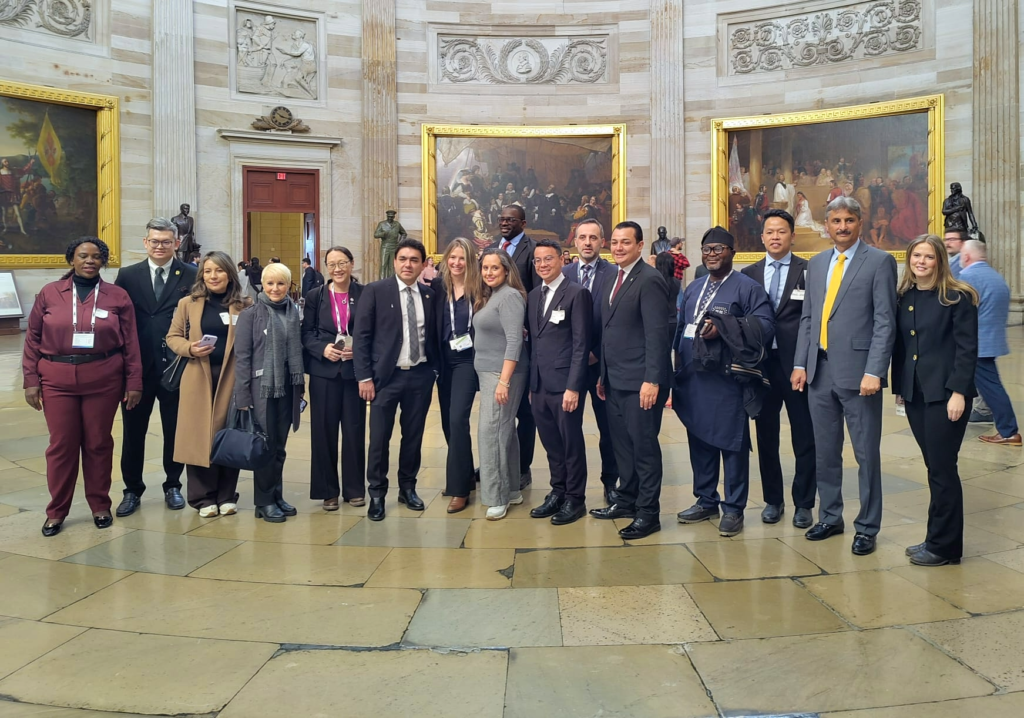
Together with participants from the International Panel of Parliamentarians for Freedom of Religion or Belief (IPPFoRB), I took part in discussions with politicians from across the globe. The conversations were marked by both seriousness and hope – highlighting how violations of freedom of religion or belief are increasing worldwide, while inspiration for policy development that protects and promotes these freedoms also contributes to renewed optimism.
Meeting Partners – the Heart of the Summit
Although the program was strong, the most meaningful moments were the meetings with our international partners. Delegations from Ukraine, Sri Lanka, and many others shared experiences, challenges, and hopes.
Their courage and determination are powerful reminders of why CKU’s international partnerships matter so deeply – and why freedom of religion or belief is not abstract policy, but a question of human lives and futures.
Final Reflection
IRF Summit 2026 made three things abundantly clear:
- The work for freedom of religion or belief is evolving and becoming more strategic.
- Danish actors and partnerships make a real difference in global efforts.
- Human connections are the foundation of long‑term change.
I return home with renewed motivation and a strong belief that our shared work – in Denmark and internationally – is essential for protecting the right to think, believe, and live freely.